

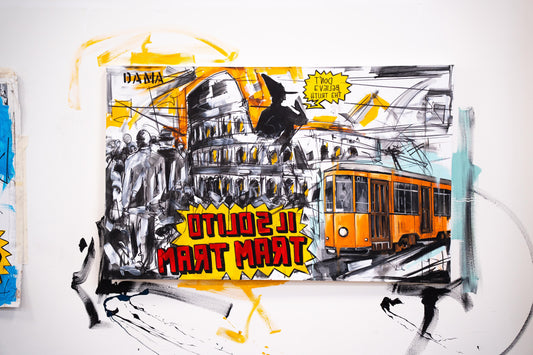
THE USUAL TRAM TRAM
THE USUAL TRAM TRAM
"DAMA" DANIELE OLDANI X MARCO TAMBURRO
Certificate of Authenticity: certificate issued by the artist
Signature: in original on the front and back of the canvas
Edition: unique
Year: 2025
SUPPORT: canvas
TECHNIQUE: acrylic, oil and spray can
DIMENSIONS: x
 Trustpilot: Excellent

 Fast delivery guaranteed within 48 hours
- Free Shipping Worldwide
- Free returns within 14 days

Description by the gallery owner
Description by the gallery owner

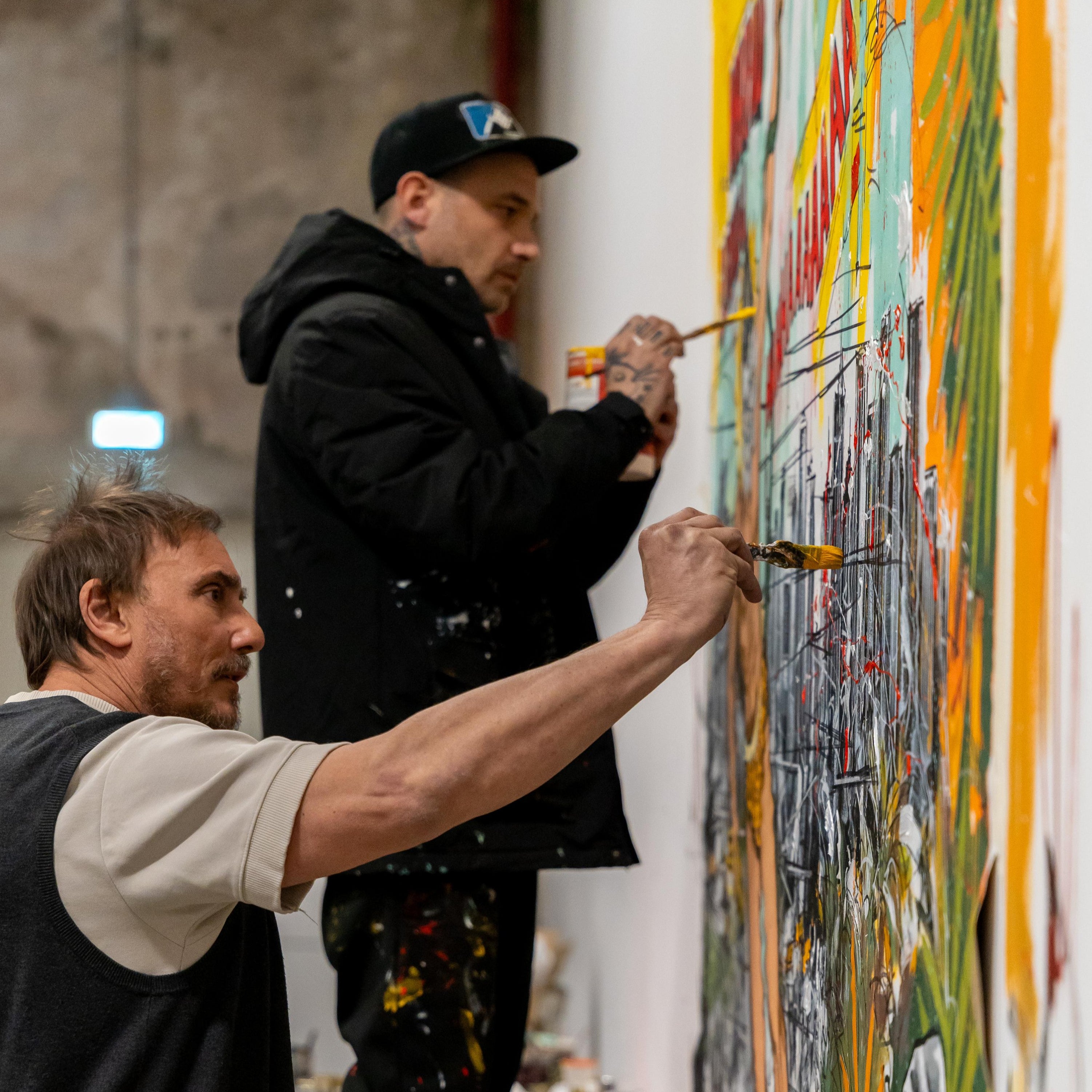
"DAMA" DANIELE OLDANI X MARCO TAMBURRO
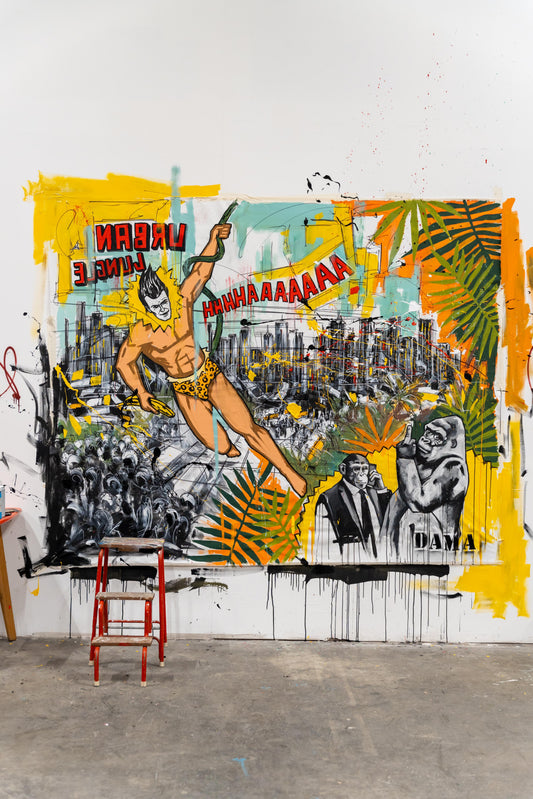
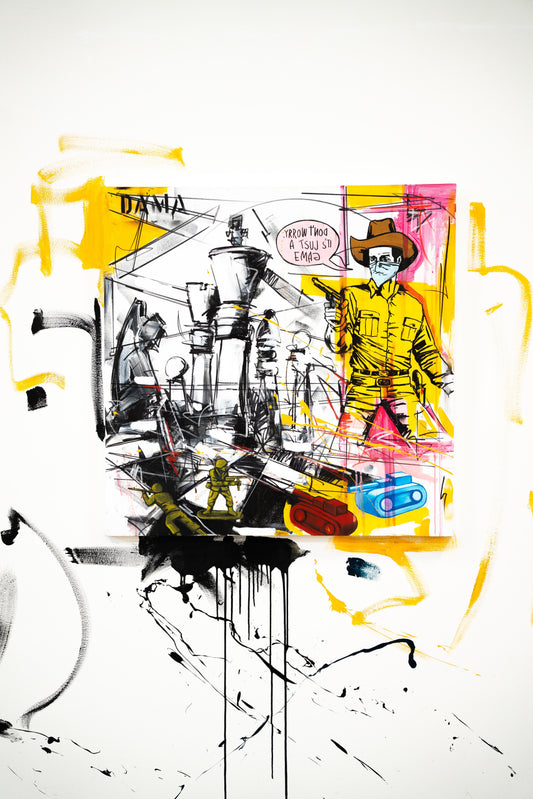
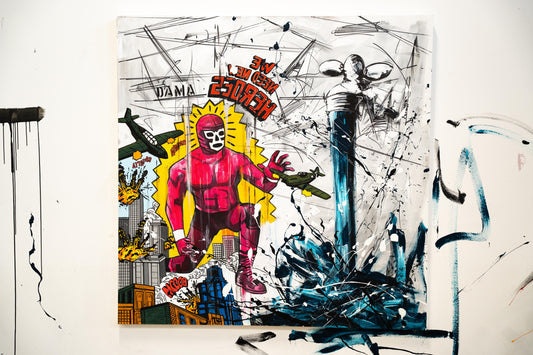
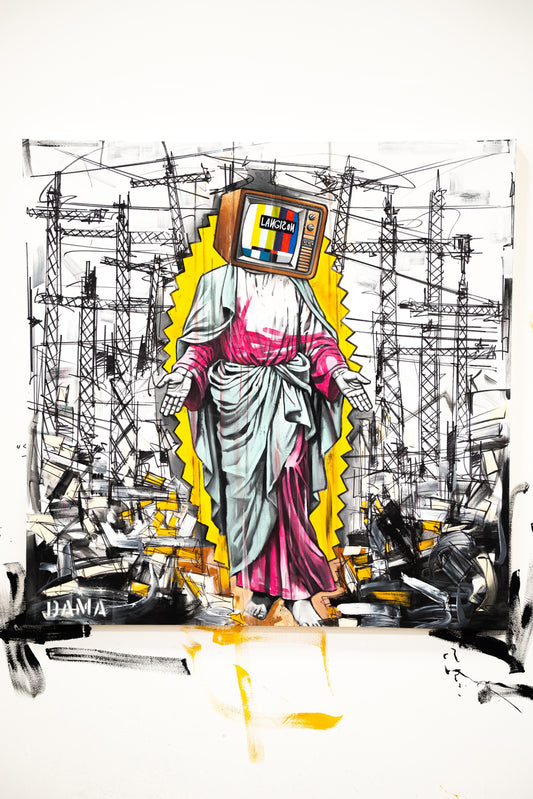
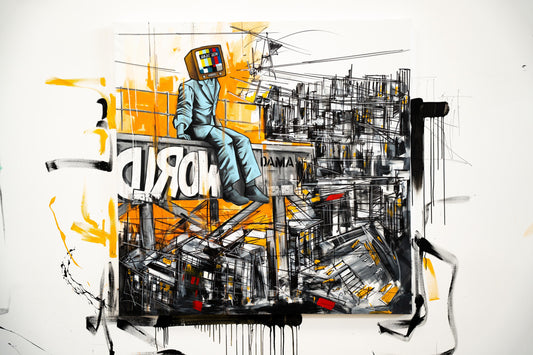
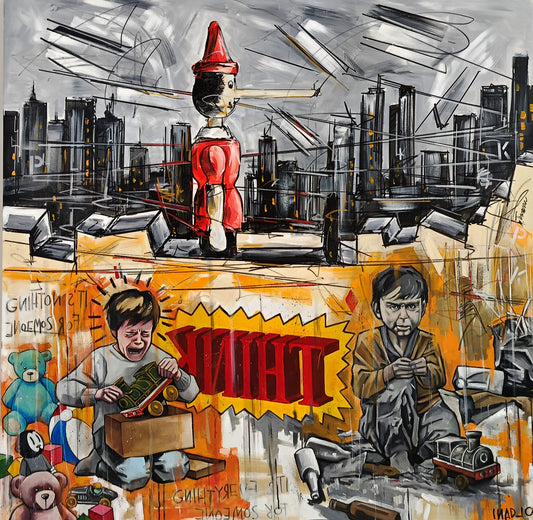
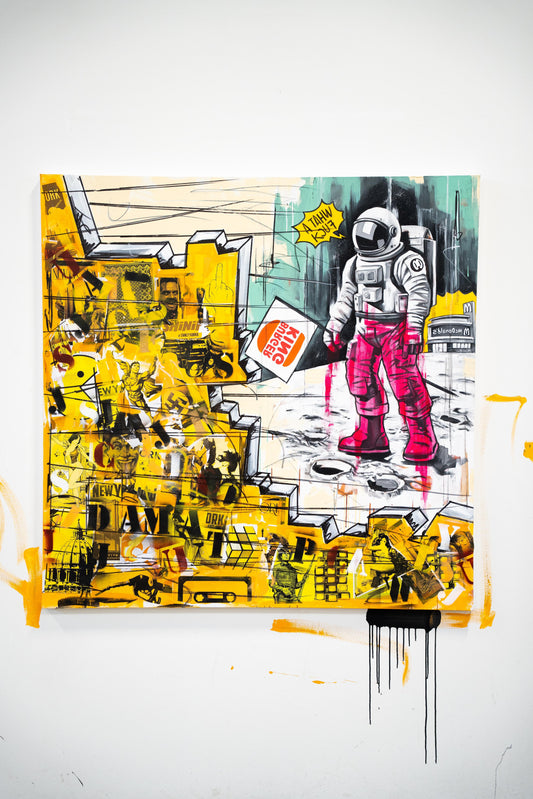
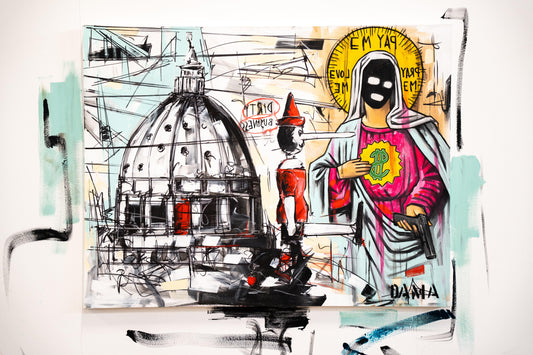
Marco Tamburro and Daniele Oldani, united by a need to express themselves through art, despite their very different stylistic approaches, have successfully combined two opposing pictorial styles with harmony and fluidity. On the one hand, Tamburro's intense and rapid brushstrokes, which explore the anxieties and disenchantment of human beings living in the metropolis; on the other, Oldani's pop imagery, rich in social irony. The fusion of Rome and Milan has given rise to artworks that fully reflect the vision of the two artists. Themes related to society, religion, and war are addressed by the two with clarity and irony. Pictorial elements that characterize such different visions have managed to form a dynamic and coherent connection.
Other works by the artist
Seguici su:


