


LEX ITALICA
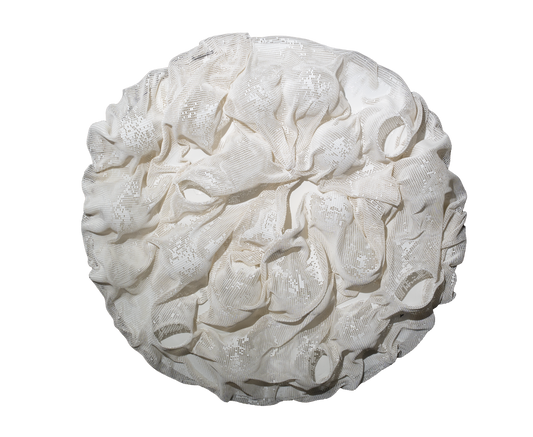
LEX ITALICA
Stefania Vichi
Regular price
€21.000,00
Regular price
Sale price
€21.000,00
Unit price
per
Tax included.
Certificate of Authenticity: certificate issued by the artist
Signature: on the back of the work
Edition: on the back of the work
Year: 2024
SUPPORT: wall sculpture
TECHNIQUE: eco resin, two-component paints and tetrafilament
DIMENSIONS: x
Couldn't load pickup availability
 Trustpilot: Excellent

 Fast delivery guaranteed within 48 hours
- Free Shipping Worldwide
- Free returns within 14 days

Description by the gallery owner
Description by the gallery owner


Stefania Vichi
Informazioni sul fornitore non disponibili.
Mostra altro
Other works by the artist

LEX ITALICA "MEDICI" EDITION
Regular price
€3.700,00
Regular price
Sale price
€3.700,00
Unit price
per

LEX ITALICA "MEDICI" EDITION
Regular price
€3.700,00
Regular price
Sale price
€3.700,00
Unit price
per

LEX ITALICA "MEDICI" EDITION
Regular price
€3.700,00
Regular price
Sale price
€3.700,00
Unit price
per

LEX ITALICA "MEDICI" EDITION
Regular price
€1.200,00
Regular price
Sale price
€1.200,00
Unit price
per

LEX ITALICA "MEDICI" EDITION
Regular price
€1.200,00
Regular price
Sale price
€1.200,00
Unit price
per

LEX ITALICA "MEDICI" EDITION
Regular price
€6.000,00
Regular price
Sale price
€6.000,00
Unit price
per

Sold out
Sold out
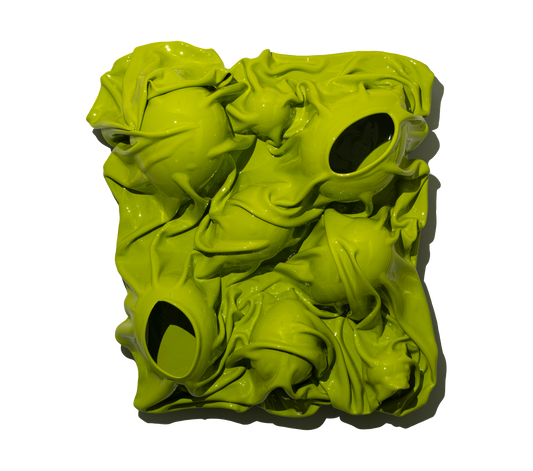
LEX ITALICA "DELLA ROVERE" EDITION
Regular price
€11.000,00
Regular price
Sale price
€11.000,00
Unit price
per

LEX ITALICA "MEDICI" EDITION
Regular price
€11.000,00
Regular price
Sale price
€11.000,00
Unit price
per
LEX ITALICA
Regular price
€21.000,00
Regular price
Sale price
€21.000,00
Unit price
per
Seguici su:


